



Tips for Maintaining Perennial Plants
Gain some helpful tips about how to care for perennial plants including which types benefit from deadheading, how often to fertilize and divide, and much more in this informative article.
At a glance
Match sunlight to your site: full sun means 6 or more hours of direct sun, part sun/part shade means 4 to 6 hours, and full shade means less than 4 hours.
Choose low-water perennials like yarrow and lavender for dry spots, or hibiscus and daylilies where soil stays consistently moist.
Deadhead by cutting stems back about one-third, or removing the whole flower stalk on plants like daylilies that bloom on bare stalks.
Feed lightly in early spring with compost or a slow-release plant food worked in before mid-July, and skip fertilizer for lean-soil plants like lavender.
Leave woody-stemmed and evergreen perennials, like lavender and pinks, standing through winter, and cut back only diseased or pest-damaged foliage in fall.
Divide fast-growing perennials like daylilies every 3 to 5 years, in the season opposite their bloom time.
Gain some helpful tips about how to care for perennial plants including which types benefit from deadheading, how often to fertilize and divide, and much more in this informative article.
• Sunlight • Water • Deadheading • Fertilizing • Cutting back • Dividing • Mulching

Nature is the greatest teacher, and there is much to learn from growing a perennial garden. Cultivating plants that live three or more years—the true definition of a perennial—is an enjoyable process that is refined and perfected over time.
We’ll share with you some basic tips you’ll find helpful along the way here. We also encourage you to keep a garden journal with your own notes on what has worked and what hasn’t and gather your own bits of wisdom there along the way.
Let’s start with the basis of all life: sunlight and water.
HOW MUCH SUNLIGHT PERENNIALS NEED
When you read the plant tags at stores or scroll through our plants online, you’ll see that every one lists the plant’s sun or shade requirements. Choosing plants based on how much sunlight or shade you have to offer should be your primary consideration for plant care.
Full sun = 6+ hours of direct sun exposure per day
Part sun/Part shade = 4 to 6 hours of direct sun exposure per day
Full shade = Less than 4 hours of direct sun exposure per day
If you are looking to spruce up a garden bed with some new perennials, before you go plant shopping, first observe how many hours of sun that bed receives in a day. If it sees lots of sunshine throughout the entire day, buy plants for full sun. If it is shaded for half the day, buy part sun/part shade plants. If it is sunny only for a few hours or not at all, buy full shade plants.
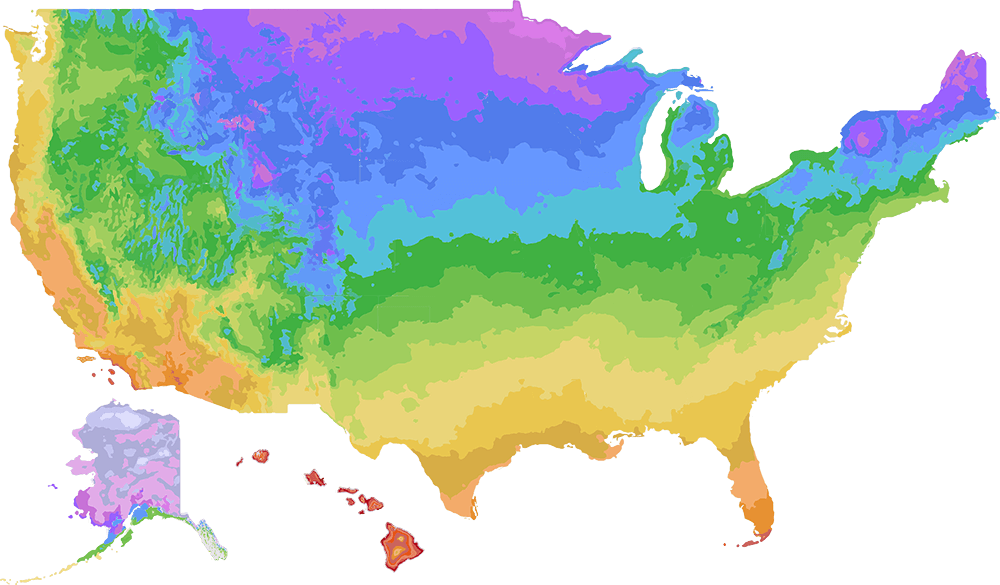
Keep in mind that there are some regional differences in sun and shade. If you garden in zone 3 (Far North U.S. or parts of Canada), you can often grow plants that prefer part shade in full sun because your sun is much cooler in the North. If you garden in zone 8 or 9 (Far South U.S.), you may need to protect some full sun plants from the hot afternoon sun.
Observe your plants once they are growing in your garden. They will tell you if they are happy with the amount of sun they are receiving. If the edges of their leaves are turning brown, they might need more shade or water. If they are leaning towards the sun or not producing many flowers, they may benefit from being moved to a brighter location.

HOW MUCH WATER PERENNIALS NEED
All plants need some amount of water to live, but they don’t all require the same amount. By choosing plants that prefer the conditions you have, and by grouping plants together in the garden by watering preferences, you make watering easier on yourself.
If you do not use an automatic sprinkling system, have regional watering restrictions, or simply do not want to water your garden regularly, choose low-water perennials that simplify perennial care while still thriving.
Perennials that need less water: 
Yarrow - Achillea
Anise Hyssop - Agastache
Ornamental Onion - Allium
Blue Star - Amsonia
False Indigo - Baptisia
Pinks - Dianthus
Coneflower - Echinacea
Baby’s Breath - Gypsophila
Red Hot Poker - Kniphofia
Lavender - Lavandula
Catmint - Nepeta shown here
Beardtongue - Penstemon
Russian Sage - Perovskia
Perennial Salvia - Salvia
Stonecrop - Sedum
Switch Grass - Panicum (ornamental grass)
Little Bluestem - Schizachyrium (ornamental grass)
If you do use an automatic sprinkling system, enjoy hand watering, live someplace where consistent rainfall is reliable, or if you garden in soil that tends to stay moist for long periods, choose plants that prefer average to consistent amounts of water.
Perennials that prefer average to consistent amounts of water: 
Japanese Anemone - Anemone
Goat’s Beard - Aruncus
Astilbe
Japanese Painted Fern - Athyrium
Heartleaf Brunnera - Brunnera
Clematis
Ferns
Cranesbill - Geranium
False Sunflower - Heliopsis
Daylilies - Hemerocallis
Coral Bells - Heuchera
Foamy Bells - Heucherella
Rose Mallow - Hibiscus shown here
Hosta
Shasta Daisy - Leucanthemum
Ligularia
Bee Balm - Monarda
Phlox
Jacob's Ladder - Polemonium
Lungwort - Pulmonaria
Salvia
Foamflower - Tiarella
Spike Speedwell - Veronica
Fountain Grass - Pennisetum (ornamental grass)
HOW TO DEADHEAD PERENNIALS
 Deadheading is the simple act of removing the spent flowers from a plant before it goes to seed. In nature, seeds are an attempt to ensure that the next generation of plants develops. In some cases, once seeds have been produced, the plant will stop blooming since there is no reason to put energy into blooming anymore.
Not all perennials produce seeds. In such cases, we deadhead the plants to encourage more flowers to bloom. It won’t harm the plant at all if we choose not to deadhead—it is a matter of personal preference, not survivability.
When you deadhead, cut the stems down by about one-third or to the top of the mound of foliage if the flowers are produced at the tips of leafy stalks. Daisies, bee balm and catmint are some examples of this. Watch for small buds forming along the length of the stems and be sure not to cut those off when you are deadheading these kinds of perennials. If the flowers are produced on their own stalks with no or few leaves, like daylilies and coral bells, remove the entire spent flower stalk.
Deadhead these perennials to encourage rebloom:
Firefly series of yarrow - Achillea
‘Stand by Me’ clematis
Fruit Punch® pinks - Dianthus
Paint the Town® pinks - Dianthus
Tuscan series of false sunflowers - Heliopsis

Rainbow Rhythm® daylilies including ‘Going Bananas’, 'King of the Ages' ‘Orange Smoothie’, ‘Sound of My Heart’ and ‘Storm Shelter’ - Hemerocallis
Pyromania® red hot poker - Kniphofia
Sweet Romance® lavender - Lavandula
Amazing Daisies® Daisy May® shown here shasta daisy - Leucanthemum
‘Cat’s Meow’ and ‘Cat’s Pajamas’ catmint - Nepeta
‘Cloudburst’, Opening Act and Luminary® series of phlox - Phlox
Color Spires® and Profusion series of perennial salvia - Salvia

Deadhead these perennials for appearance only (rebloom not likely)
Ornamental onion - Allium shown here
Blue star - Amsonia

Japanese anemone - Anemone
Goat’s beard - Aruncus
Astilbe
Heartleaf brunnera - Brunnera
Cranesbill/Hardy geranium - Geranium
Non-reblooming daylilies - Hemerocallis
Coral bells - Heuchera
Foamy bells - Heucherella
Rose Mallow - Hibiscus
Hosta
Ligularia
Bee balm - Monarda
Beardtongue - Penstemon
Russian sage - Perovskia
Creeping phlox – Phlox subulata
Jacob's ladder - Polemonium
Lungwort - Pulmonaria
Stonecrop - Sedum
Foamflower - Tiarella

Spike Speedwell - Veronica


These perennials will develop interesting
seed heads if you do not deadhead them:
False indigo - Baptisia
Coneflower - Echinacea (leave standing to feed birds)
Clematis shown here
Ornamental grasses
Watch Laura from Garden Answer demonstrate how to deadhead.
 HOW TO FERTILIZE PERENNIALS
Perennials and shrubs need far less fertilizer than flowering annual plants. Think about how these kinds of plants grow in nature. When perennials die back naturally for winter, their leaves fall at their feet and eventually disintegrate into humus, which in turn provides the nutrients they need to continue to grow.
To mimic that natural process, feed your perennials in early spring when new growth begins by spreading a thin layer or scattering handfuls of compost, humus, manure, shredded leaves, worm castings, or other organic ingredients on top of your garden beds. Through the seasons, the worms in your garden and rainstorms will filter those nutrients down into the ground where the plants’ roots can absorb them.
Slow release plant foods formulated for perennials like Espoma’s Plant-tone® or Flower-tone® can also be incorporated into your garden soil in spring and summer (before mid-July). One helpful tip is that this will increase nutrition levels in the soil for planting, especially in sandy or rocky ones where minerals tend to get flushed through more quickly than in heavy clay. It is always a good idea to get a soil test from your local university extension office before adding any specific amendments.
Some plants actually grow better in lean soil, meaning soil that is low in nutrients. Such plants can have weaker stems and become floppy if they are grown in soil that is too nutrient-rich. If you have lean soil, consider growing the perennials listed below.

Perennials that grow better in lean soils with little fertilizer:
Yarrow - Achillea
Anise hyssop - Agastache
Blue star - Amsonia
False indigo - Baptisia
Red hot poker - Kniphofia
Lavender - Lavandula
Catmint - Nepeta
Beardtongue - Penstemon
Russian sage - Perovskia shown here
Creeping phlox – Phlox subulata
Salvia
Stonecrop - Sedum
Ornamental grasses
CUTTING BACK PERENNIALS 
Late fall is the time of year when many people clean up their garden beds in preparation for winter. It is your choice whether to cut back your plants in fall or spring, but there are a few guidelines you’ll want to keep in mind before you decide.
DO cut these perennials back in fall:
Any perennials you do not want to reseed in your garden
Any perennials with diseased foliage, like powdery mildew, rust or leaf spot. Cut all of the foliage down to the ground and dispose of it rather than putting it on your compost pile.
Perennials that have heavy insect damage, like slug damaged hostas. Bugs may lay their eggs in the spent foliage of their favorite plants, so by cleaning it out of the garden in fall, you are limiting pest issues the following year.
DO NOT cut these perennials back in fall: 
Evergreen or semi-evergreen perennials like pinks (Dianthus), coral bells (Heuchera), foamy bells (Heucherella), foamflower (Tiarella), creeping phlox (Phlox subulata), bugleweed (Ajuga), Lenten roses (Helleborus) and red hot poker (Kniphofia)
Perennials with woody or hollow stems like rose mallow (Hibiscus) shown here, Russian sage (Perovskia), lavender (Lavandula), butterfly bush (Buddleia) and delphiniums
Perennials with winter interest and that benefit wildlife like false indigo (Baptisia), coneflowers (Echinacea), ornamental grasses, autumn stonecrop (Sedum), and ornamental onion (Allium)
DIVIDING PERENNIALS

Some perennials grow so quickly that they benefit from being divided every 3-5 years to retain their vigor and flower power. Ornamental grasses, daylilies, irises and stonecrop are some examples. Other perennials, like coral bells and rose mallow, stay in a single clump that never needs to be divided. We’ll list some more examples for you below.
It is best NOT to divide plants with woody crowns, a single stem/crown, fragile fleshy roots, or a tap root as doing so can damage the plant. This includes:
False indigo - Baptisia shown here
Heartleaf brunnera - Brunnera
Clematis
Baby’s breath - Gypsophila
Coral bells - Heuchera
Foamy bells - Heucherella
Rose mallow - Hibiscus
Red hot poker - Kniphofia
Lavender - Lavandula
Beardtongue - Penstemon
Russian sage - Perovskia
 Perennials with fibrous or loose root systems are the easiest kind to divide. Siberian irises, for example, can often be pulled apart with your hands once you’ve dug them up and shaken the soil off the roots. Ornamental onions like ‘Serendipity’ are similarly easy to pull apart and divide. Daylily roots, shown here, are a little tougher to pull apart but can be cut with a sharp knife. Bee balm and spike speedwell are also easy to divide with a knife.
As a general guideline, perennials should be divided in the opposite season of which they bloom. That means if they bloom early in the season they should be divided in fall, and if they bloom late they should be divided in spring. When you do so, dig up the whole clump of the perennial you want to divide so you can easily see its root system. Each piece you pull or cut away from the original clump should be no smaller than what would fit in a 1-quart (4-6”) pot. Immediately replant the divided pieces into the garden or containers before their roots dry out.
A note about dividing patented plants: Many varieties of perennial plants are protected under U.S. and Canadian patent laws. If a variety is patented or has a patent pending, that will be stated in small print on the plant label. In such cases, it is illegal to divide or propagate and sell that plant. This won’t impact most home gardeners, but if you participate in local garden club plant sales, sell your plants online or something similar, you should know that it is illegal to divide any patented or patent pending plants and sell them at such sales or for any other monetary gain.
 HOW TO MULCH PERENNIAL GARDENS
Most plants, including perennials, benefit from having mulch around their roots year-round. Organic mulch like shredded bark, hardwood, or pine straw makes our gardens look more polished, but it also serves several useful purposes including:
Shading the plants’ roots and keeping the soil cooler, which makes the roots healthier
Retaining soil moisture longer
Preventing weeds from growing up into the plants
Adding nutrients to the soil as the mulch disintegrates over time
Inorganic mulches like small stones or gravel can also be used, but they will not have the added benefit of enriching the soil for planting since they do not break down, so extra care may be needed to maintain soil health.
 Whichever type of mulch you use, it is important to prevent it from touching the crown (base) of the plant. Spread your mulch carefully so that it lays nicely under your plant’s foliage but away from the crown. When mulch touches the crown, it is an invitation for plant rot and pest issues.
If you plant any perennials or shrubs in the fall, be sure to lay a 3-4 inch layer of mulch around them to prevent frost heaving during the winter months. The mulch will moderate the soil temperature so it remains consistent throughout the winter.
Perennial gardens benefit greatly from having a layer of shredded leaves placed over them in late fall or early winter after the plants have gone dormant. When you are raking earlier in fall, shred and bag some of your leaves to use for this purpose. By spring, the shredded leaves in your garden beds will have mostly broken down and their nutrients will enrich the soil—it’s free fertilizer!