




The Ultimate Butterfly Bush Care Guide from Proven Winners®
Butterfly bush are easy to grow shrubs, but you do need to know a bit about their preferences and requirements to achieve maximum success.
 Buy online - Browse 19 types of butterfly bush and have them shipped right to your door
BUTTERFLY BUSH CARE
Butterfly bush are easy to grow, but you do need to know a bit about their preferences and requirements to achieve maximum success.
- Butterfly bush need full sun. When we say full sun, we mean it – butterfly bush require a minimum of 8 hours of bright sunlight. Even in warm climates, plant them where they get no fewer than 6 hours of sun.
- Butterfly bush need perfect drainage. Their roots are sensitive to rotting, and if they spend any amount of time in wet soil, they can be set back or even die. Most of the time, if you lose a butterfly bush after winter, it wasn’t due to low temperatures or snow or ice – it was because the plant sat in cold, wet soil in fall or spring.
- Butterfly bush can grow in clay soil, but require a few special accommodations. Because they need good drainage and dislike cold wet conditions, there are a few tips that will increase your success on how to grow butterfly bush if you have clay soil:
- Never amend the soil. Don’t add top soil, potting soil, compost or anything at planting time. Plant directly into your natural soil. This is true for all easy to grow shrubs, but is even more important with butterfly bush, as amending any soil, and particularly clay soil, can cause drainage problems.
- Plant “high” – instead of positioning the plant even with the ground level like you would other plants, dig a slightly shallower hole (yep, that means less work!) and position it so that the base of the plant is a bit higher than the ground. This creates a small “hill” that encourages water to drain away from the plant rather than settle around it.
- Avoid mulching directly around your butterfly bush. Mulch is a great idea for other species of plants, but in clay soil, it can hold too much moisture. Go ahead and mulch your beds, but give your butterfly bush a bit of clearance, and never mulch all the way up to the main stems.
- Prune in spring, after the new growth emerges. Many people cut their butterfly bush back in autumn, as part of their fall clean up. But particularly in cold climates, this can leave your butterfly bush more susceptible to damage over winter. Do not prune until you see green buds on the stems. Make your cuts just above where big, healthy leaf buds have formed. It can take several weeks into spring for new growth to show up - be patient and resist the urge to cut them back too early, as advised in buddleia growing tips.
- But do prune your butterfly bush. Left unpruned, large butterfly bushes can become “second story” plants: their flowers form way up at the top so you can’t enjoy them unless you have a second story window. The warmer your climate, the more you should cut back your butterfly bush each spring. Even dwarf varieties like our Lo & Behold® series still need pruning – you’ll just be cutting back less than you would on a variety that reaches 8’ tall.
- Be patient. Butterfly bushes tend to be one of the later plants to leaf out in spring, which is a common point noted in any butterfly bush care guide. Even if everything else in your landscape is turning green, that doesn’t mean you’ve lost your butterfly bush. Many people recommend waiting til as late as Father’s Day (the third Sunday in June) to be certain their butterfly bush perished. It can be very surprising to see how quickly a butterfly bush can recover, even if it takes that long to come back! Learn more about this phenomenon in our article, Plants that Push the Snooze Button on Spring.
- Don’t overwater. Particularly if you have clay soil, watch watering carefully—an important step in proper butterfly bush care tips. If you have an irrigation system, be sure it’s not inundating your butterfly bush. Signs of overwatering include weak stems, fewer flowers, and dieback.
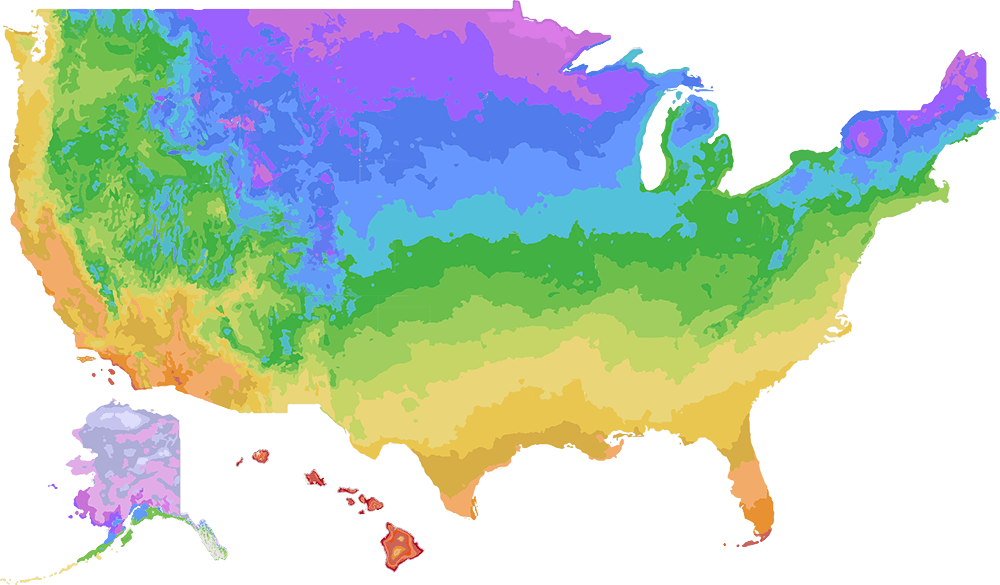
- Avoid fall planting. Because butterfly bush may get a bit of winter damage in cold climates, butterfly bush winter care starts with proper planting timing. It's best to give them as long a time as possible to get established before they face the challenges of the cold, wet season. In USDA zones 5 and 6 especially, keep butterfly bush planting time to spring through mid-summer so the plants have ample opportunity to develop a good root system to sustain them through winter.
BUTTERFLY BUSH VARIETIES
You’ll find a range of colors, sizes, and habits among our butterfly bushes:
 Lo & Behold® series: small and mounded. Perfect for flower gardens. Lo & Behold® ‘Purple Haze’ is the largest of this series; Lo & Behold® ‘Pink Micro Chip’ is the smallest. Lo & Behold® ‘Blue Chip Jr.’ is the earliest to bloom of the series. Lo & Behold® series: small and mounded. Perfect for flower gardens. Lo & Behold® ‘Purple Haze’ is the largest of this series; Lo & Behold® ‘Pink Micro Chip’ is the smallest. Lo & Behold® ‘Blue Chip Jr.’ is the earliest to bloom of the series. |
 “Miss” series: medium height (4-5’/1.2-1.5m tall), refined, elegant habit, intense colors. The flowers of ‘Miss Molly’ are as close to red as you’ll find in a butterfly bush. ‘Miss Pearl’ offers pure white blooms that look especially magical at night. “Miss” series: medium height (4-5’/1.2-1.5m tall), refined, elegant habit, intense colors. The flowers of ‘Miss Molly’ are as close to red as you’ll find in a butterfly bush. ‘Miss Pearl’ offers pure white blooms that look especially magical at night. |
 Pugster® series: short and stocky, with full-sized flowers in saturated colors. The thick stems of our newest series makes these an excellent choice for areas where butterfly bush experience a lot of winter dieback. Pugster Blue® is especially exciting, with its true-blue blooms. Pugster® series: short and stocky, with full-sized flowers in saturated colors. The thick stems of our newest series makes these an excellent choice for areas where butterfly bush experience a lot of winter dieback. Pugster Blue® is especially exciting, with its true-blue blooms. |
BUDDLEIA FAQ
Is butterfly bush invasive?
Butterfly bush has become invasive in some areas, and is on invasive plant watchlists or even banned in some states. This is why we work with renowned plant breeder Dr. Dennis Werner of North Carolina State University introduced seedless and non-invasive varieties, like the Lo & Behold® series and the “Miss” varieties. These plants have been approved for sale in Oregon, where others are banned. However, in these states, they are sold under the name “summer lilac” instead of “butterfly bush” to clarify that they have been approved by their respective departments of agriculture.
Are they the same thing as butterfly weed?
No. When most people say “butterfly weed,” they are referring to one of several species of milkweed (Asclepias sp.), an herbaceous plant. Butterfly bush (Buddleia sp.) is a woody plant (shrub).
Are butterfly bushes bad for butterflies?
Butterfly bush attracts butterflies because its flowers are high in nectar. However, this nectar only sustains the butterflies themselves – it does not provide crucial food sources for caterpillars (which are the larval or “baby” stage of a butterfly’s life cycle). If you want to create a truly butterfly-friendly garden, don’t just plant a butterfly bush - plant a wide variety of trees, shrubs, perennials, and annuals that bloom at different times, a principle often emphasized in buddleia growing tips, to provide an ongoing, diverse buffet for the babies and adults alike. Be sure to include plenty of plants that are native to your area – contact your local cooperative extension office for specific recommendation.
How big do butterfly bushes get?
These large shrubs range from 5 to 8 feet tall and just as wide once they reach maturity. If you're looking for a smaller butterfly bush size, try a dwarf variety, which are in the 2 to 3-foot range. Yearly pruning will help keep the size of your butterfly bush manageable.
Should you deadhead butterfly bushes?
All of our butterfly bush will bloom all summer long without deadheading (the process of removing seed heads). To eliminate the possibility of butterfly bush spreading, you can cut off and dispose of the seedheads left on the plant in autumn - as long as you aren’t doing any major pruning into the plant, it’s perfectly fine to do this.
Can the blooms be cut to use in flower arrangements?
Yes, but unfortunately, they don’t hold up very well in a vase. If you want to try, cut them early in the morning and place the stems in water immediately after cutting.
Can you grow butterfly bush in pots?
Yes! Butterfly bush will thrive in containers, which is helpful to know when learning how to grow butterfly bush in small spaces. Be sure to select a container that has several large drainage holes, and fill the container only with a fast-draining, light-weight potting mix. The container you select should be made out of a weather-proof material that can be left outdoors year-round.
Learn more in our Shrubs in Containers article
More shrub growing guides: