



Polka Dot Plant - The Ultimate Guide from Proven Winners®
Add vibrant color to shady spots with this popular foliage plant
At a glance
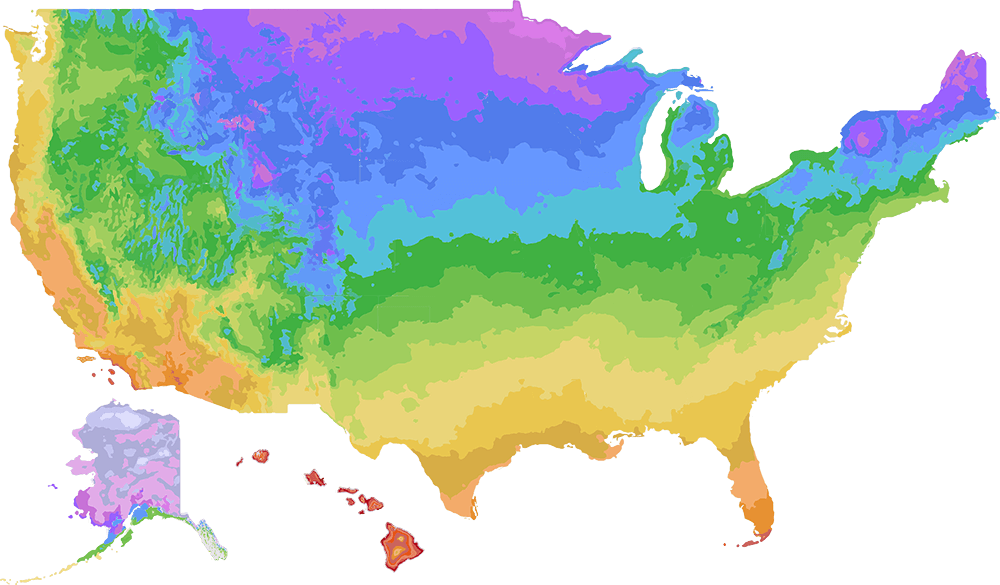
Polka dot plant thrives in Zones 10-11 outdoors and works well as a houseplant or annual everywhere else.
Give it partial to full shade or dappled sun, since too much shade causes leggy growth or faded coloring and direct sun burns the leaves.
Plant in rich, well-draining, slightly acidic to neutral soil, and use a high-quality all-purpose potting mix in containers.
Keep soil evenly moist, since polka dot plant does not like to dry out, and water more often during heat or dry spells.
Pinch back the top leaves regularly to keep the plant bushy and compact.
Add vibrant color to shady spots with this popular foliage plant
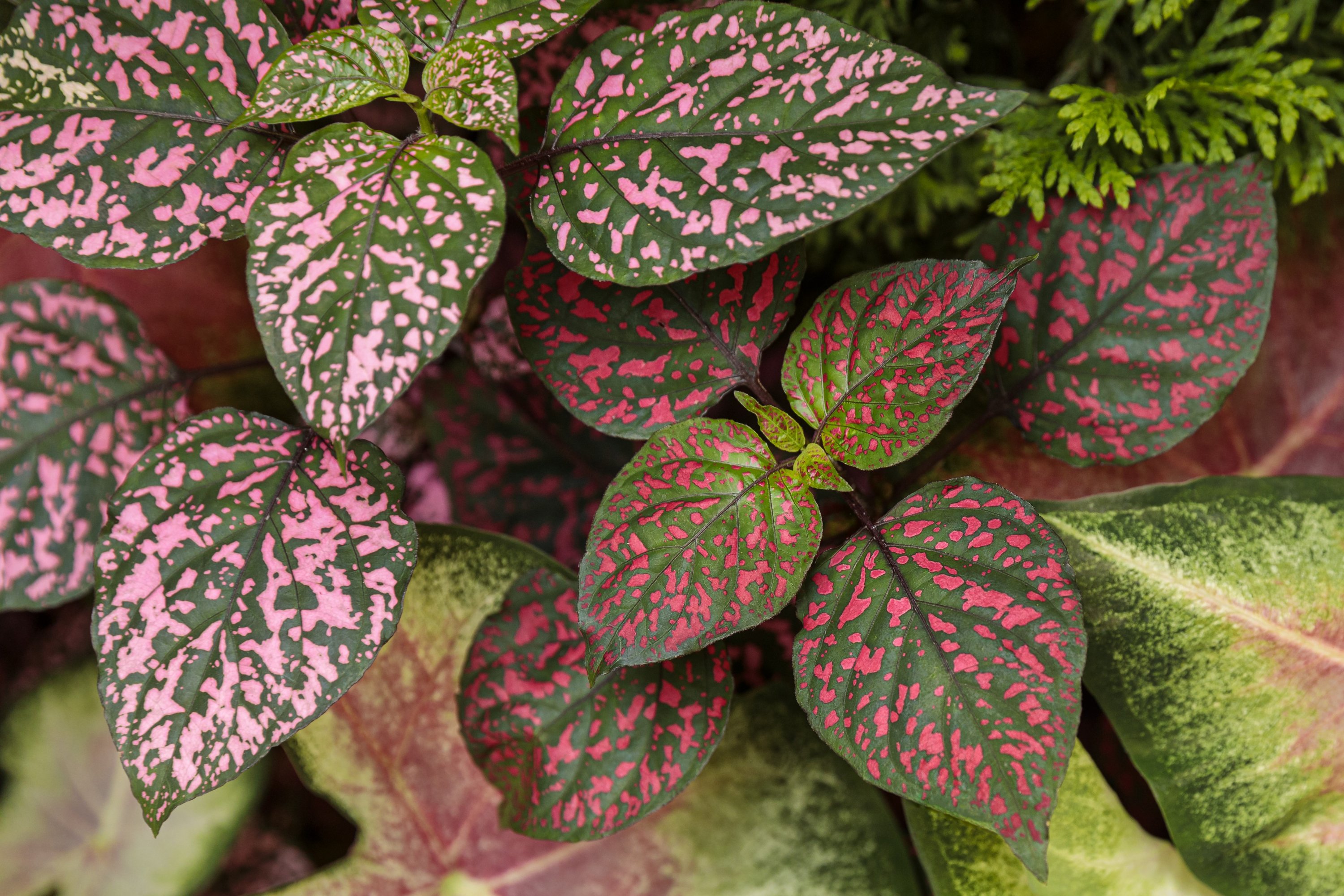
The polka dot plant, Hypoestes phyllostachya, is known as a classic terrarium plant, but it is so much more versatile than that. It is also an excellent feature in both indoor and outdoor plantings. The eye-catching spotted foliage adds color and whimsy to the shady areas of the landscape. The most popular variety is the pink polka dot plant with dark green leaves and pink spots. There are other varieties that bring joy in rare variations of white, red or rose-pink coloring with spots or irregular patterns.
Hypoestes phyllostachya is native to South Africa, Madagascar and southeast Asia. The polka dot plant is hardy to USDA zones 10-11 making it the perfect annual or houseplant. As a tender tropical plant the polka dot plant prefers warm temperatures, high humidity and protection from direct sun. The compact mounding habit is manageable in a terrarium and well-suited for containers, hanging baskets, bedding plants, or edging for pathways and borders. Here’s how to grow and use polka dot plant in your home or landscape.
POLKA DOT PLANT CARE & PLANTING
How to plant: Place the polka dot plant outdoors when minimum temperatures are consistently 50 degrees F or higher in an area with semi-shade or dappled sunlight. Too much shade can result in leggy growth or faded coloring, while prolonged direct sun can cause leaf burn.
Follow these steps and plant polka dot plant 1 to 2 feet apart:
Loosen soil in the planting area and amend with compost or other organic matter if needed.
Dig a hole slightly wider and deeper than the root ball.
Remove plants from their nursery pots and gently tease out roots if potbound.
Set the plant in the hole with the top of the root ball level with the surrounding soil.
Gently backfill the hole with soil and lightly firm it in around the plant. Good soil-to-plant contact helps the roots access water and nutrients.
Finally, water well to complete the planting. Remember to water plants regularly until established.
Soil: Polka dot plants prefer rich well-draining soil with a slightly acidic to neutral pH. Poorly draining soil can lead to root rot. For containers, use a high quality all-purpose potting soil or potting mix.
Watering: Keep soil evenly moist but not soggy. The polka dot plant does not like the soil to dry out. Overwatering can lead to root rot or fungal diseases. Water more frequently during prolonged heat or dry spells.
Fertilizing: For outdoor plants, apply an all-purpose water-soluble fertilizer according to instructions. Indoor plants can be fertilized every two weeks with a water-soluble houseplant fertilizer mixed at half strength. Greatly reduce fertilizing houseplants during winter months.
TRY THESE PROVEN WINNERS® VARIETIES
The polka dot plant comes in different colors and patterns to suit a variety of garden styles and color schemes. The Hippo® series has larger leaves and more vigorous growth than other polka dot plants.
Try these varieties in your landscape:
 Hippo® Rose Polka Dot Plant (Hypoestes phyllostacha) produces irregularly patterned leaves with green and deep rose-pink coloring. This versatile variety adds a vibrant pop of color to pots, hanging baskets and beds.
 Hippo® White Polka Dot Plant (Hypoestes phyllostacha) has dark green foliage with clean white splashes. Add cool elegance to beds and borders with this classic variety that pairs well with any color or garden style.
 Hippo® Red II Polka Dot Plant (Hypoestes phyllostacha) produces oval-shaped green foliage with splotches of bright red. Add drama to shady spots and combine with other boldly colored foliage plants such as caladium and coleus.
POLKA DOT PLANT FAQ’s
How do you take care of a polka dot plant?
This tropical plant is easy to care for. Provide rich well-draining soil, high humidity, regular water and fertilizer.
How much sunlight does a polka dot plant need?
Polka dot plant grows natively underneath tropical forest canopies in dappled sun or open shade. Plant in a spot with partial shade to full shade and protect from direct sun.
Are polka dot plants good houseplants?
Polka dot plant is highly adaptable as a houseplant. Bring plants indoors before temperatures drop below 50 degrees F. Provide a warm spot (65 to 75 degrees F is ideal) with bright indirect light. Boost humidity for indoor polka dot plant by misting the leaves or placing pots on pebble trays filled with water.
Interested in houseplants? Check out our leafjoy® collection with options for a variety of indoor growing conditions.
How do you keep a polka dot plant bushy?
Polka dot plant can become leggy, especially in deep shade. Pinch back the top set of leaves regularly to encourage a bushy compact habit. Inconspicuous polka dot plant flowers that appear in summer and fall can be snipped off to divert energy back into foliage production.
POLKA DOT PLANT DESIGN IDEAS
 There are many ways to use polka dot plant in your home or landscape. Here’s how:
Use polka dot plant as a filler element in containers alongside upright and trailing plants for a “thriller, filler, spiller” effect.
Create a tropical-themed border with polka dot plant and other tropicals for an exotic look.
Plant in a hanging basket by itself or in combination with other plants. Polka dot hanging baskets can be displayed on a shady porch, patio or deck.
Bring this spotted plant indoors and display in a colorful ceramic pot to cheer up the dreary days of winter.
Mass as a bedding plant, combining different colored varieties for contrast.
Edge a shady pathway with polka dot plant for season-long color.
Plant at the edge of a shady border in combination with other colorful shade-loving foliage plants such as coleus and caladium for a dazzling summertime display.
Mass polka dot plant along a partially shaded slope, by itself or in combination with other warm season annuals with similar growing needs.
Add Hippo® White polka dot plant to a moon garden alongside other white or silver foliage plants that reflect the moonlight on warm summer evenings.
POLKA DOT PLANT COMPANION PLANTS
Polka dot plant can be combined with other shade lovers that prefer similar growing conditions of partial shade to full shade and evenly moist, well-draining soil.
For shady beds, plant alongside:
For containers, use polka dot plant as a filler element and combine with thrillers and spillers such as:
For hanging baskets, plant with:
Buy Proven Winners plants: