





All Articles
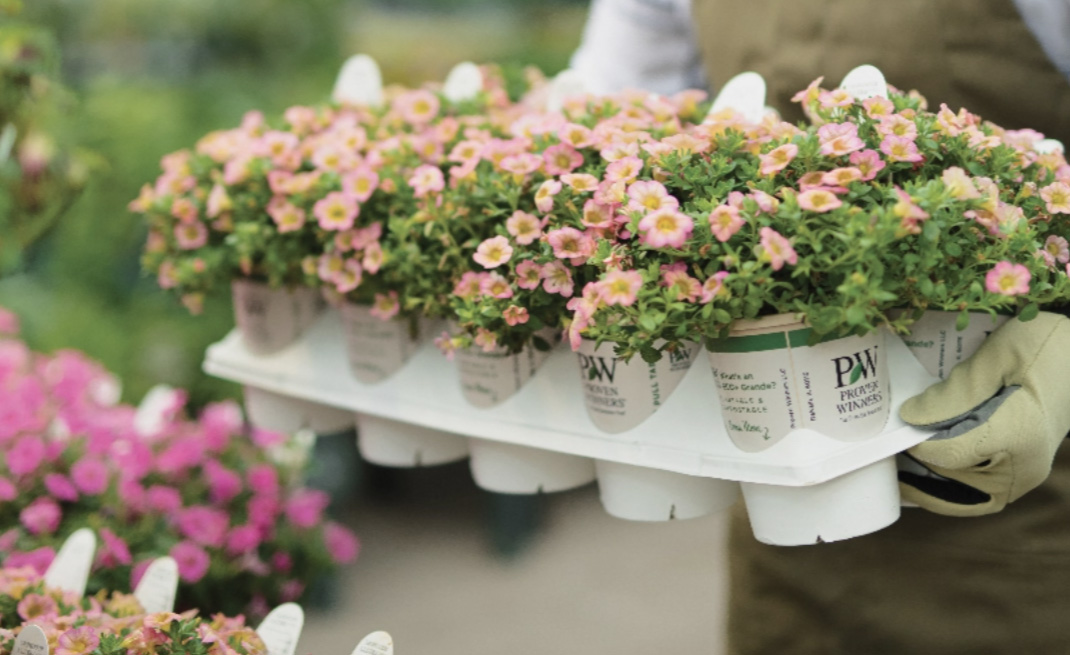
Explore the evolution of Proven Winners® Eco+™ grower pots, from the development of 100% plastic-free grower pots to the expansion of recycled grower pots and plant tags in 2026.

If there’s a spot in your garden where the light shifts from sunny to shady through the seasons, these flexible annuals are just what you need.

Pollinating insects need our support, so let’s talk about growing a pollinator garden and the ideal plants to include in it if you’re gardening in the North.

Are you ready to wake up to spring? When winters are long, it’s so important to have early blooming perennials in the landscape. As soon as the snow melts, these early spring beauties will cheer us up and provide an important food source for hungry pollinators and beneficial insects.

There’s a quiet shift in how a garden responds when we partner with it and help it grow into its best self. Here are four ways you can be a better steward of your garden.
Once your spring display reaches its peak, you are often left with the unsightly challenge of hiding bulb foliage as it slowly withers. While it is tempting to cut those leaves back immediately, proper spring bulb aftercare requires leaving them intact until they have completely turned brown to fuel next year's blooms. Fortunately, maintaining your garden aesthetics doesn't have to be a struggle during this transition. By mastering the art of interplanting perennials, you can naturally mask those yellowing bulb leaves with the lush, emerging growth of hostas, daylilies, or ferns. With a few clever design tricks, your garden will transition seamlessly from spring brilliance to summer fullness without an awkward "messy" phase.
As the window for cool-weather gardening begins to close, the race is on to get your soil ready for the rising temperatures. Focusing on strategic pre-summer planting is the best way to ensure your yard remains lush and productive through the July heat. Planting these five essentials in spring will set the stage for a season of abundance.
Finding the right inspiration for your backyard can feel overwhelming, but following expert Proven Winners gardening tips makes the process both simple and rewarding. As a seasoned Susan Martin garden writer and "resident plant geek," Susan shares her deep passion for horticulture to help homeowners create stunning outdoor spaces. By focusing on high-performance plants that have been trialed for vigor and bloom power, she provides professional-grade landscape design ideas that anyone can implement. Whether you are looking for shade-loving perennials or vibrant container recipes, Susan’s approachable advice makes gardening for beginners feel like a fun, creative adventure. Explore her latest recommendations to see how the right plants can transform your home’s curb appeal this season.
While it might feel counterintuitive to cut back your favorite shrubs and trees, understanding the long-term benefits of pruning is essential for any thriving landscape. Taking the shears to your garden isn't just about aesthetics; it is a vital part of plant health maintenance that prevents disease and removes dead weight. By focusing on dormant season pruning, you minimize stress on the plant and provide a clear view of the branch framework for better accuracy. Whether you are following structural pruning tips to improve a tree's shape or simply thinning out dense areas to improve airflow, your efforts play a direct role in encouraging new growth. Investing a little effort now ensures a more vigorous, bloom-heavy performance when the growing season arrives.
As the first frost approaches, it’s time to protect your favorite summer greenery from the biting cold. Mastering the art of overwintering tender plants allows you to save your investment and enjoy your favorite specimens year after year. The process of bringing plants indoors requires more than just a change of scenery; it involves a careful transition to help them adapt to lower light and humidity levels. From adjusting your indoor plant care routine to finding the perfect spot for tropical plant winter storage, a few proactive steps can prevent shock. Whether you are dealing with large hibiscus or smaller overwintering potted plants, this guide will ensure your garden survives the big move and thrives until spring returns.