




All Articles
Soil is the basic foundation for any garden, especially raised garden soil, which is why we have multiple articles in our ‘Dirt on Dirt’ series. After several questions from gardeners asking us what is the best soil to use in raised beds, we’ve decided to add an article that covers the ins and outs of creating soil for raised bed gardens. Taking the time to get the right soil for raised beds will make the rest of your gardening season much easier…after all, happy roots are the path to happy plants when using quality raised bed soil.
Spirea is one of the most commonly used landscape plants, and for good reason as a reliable spirea bush. This hardy deciduous shrub has captivating three-season interest, with a graceful habit, attractive foliage and flowers that bloom over a long time, making the spirea bush a landscape favorite.
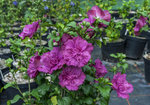
For a tropical look, even in cold climates, add rose of Sharon to your yard for reliable rose of Sharon care results. This hardy flowering shrub has showy flowers that bloom from midsummer into fall, when most other shrubs are finished for the season.
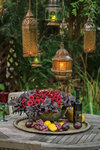
Do you find dark plants intriguing? Could your garden use a little more mystery? A goth garden might be just your style. Check out these ideas for designing a goth garden and the enchanting elements one might include.
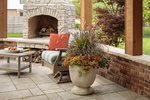
No one wants to see summer’s splendor end, but by growing the types of fall garden plants you’ll read about here, your garden can continue to be bursting with vibrant colors well into fall. A flourishing autumn garden includes a mix of many kinds of plants including fresh cool season annuals, grasses with prominent plumes, and fall perennials with fantastic fall foliage. Take your pick to see what kind of natural portrait you could paint in your own colorful fall garden this season.

Studies show spending time in gardens and green spaces or directly nurturing plants, is healthy for us. In fact, hospitals often use surrounding gardens and plants in therapeutic programs. This realization also leads to another great reality; we need to plant, protect and conserve our plants and green spaces.

Summerific® Hibiscus are showstoppers in the landscape, especially when they are in bloom, but every headliner needs backup singers. Here are 10 plants that make great companions for these robust perennials.

Have you seen the dinner plate-sized Hibiscus blooming around town this summer? They are easier to grow than you might think, even if you live someplace with very cold winters. Here are five helpful tips for growing your own glorious Summerific® Hibiscus.
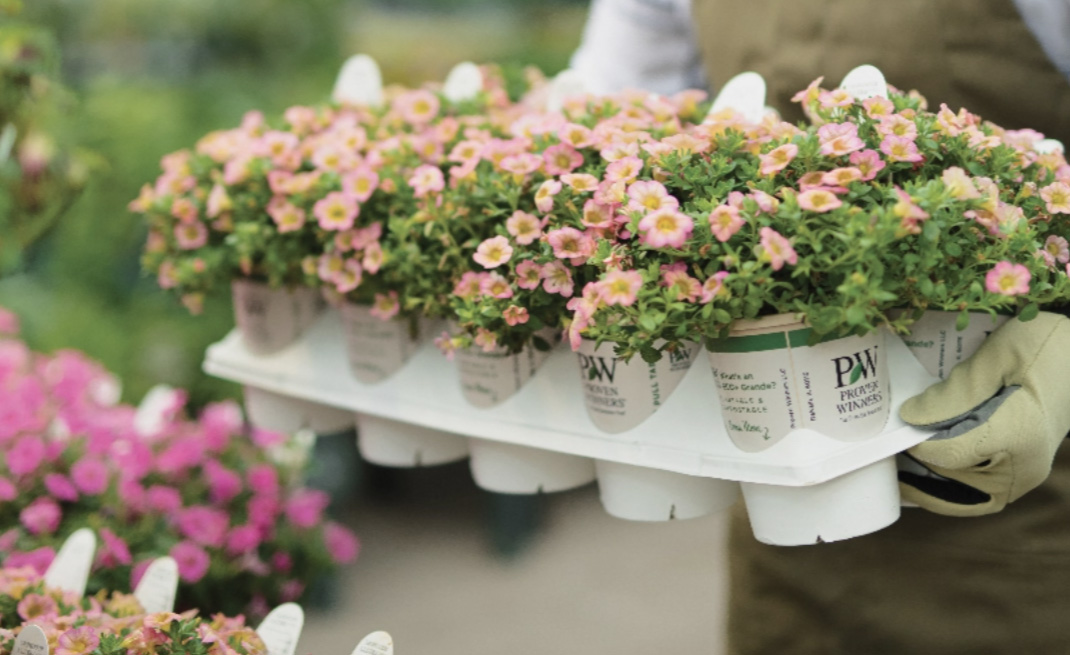
Here at Proven Winners, we love vigorous plants - they so often go hand-in-hand with great garden performance. And great garden performance is our number one criteria when we select plants to add to our program, however, huge plants are not the answer in all situations. Sometimes a petite plant is exactly what you need! Here are eleven varieties that pack a wallop in a small package and deliver nonstop color all summer long—perfect tabletop plants for outdoors and ideal compact flowering plants.
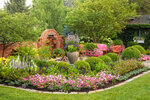
Plant-based strategies for supporting pollinators
You’ve probably read the news stories on the “insect apocalypse”: the recent steep decline in insect populations and the potentially dire consequences it holds for other animals and ourselves. It’s easy to get discouraged listening to all the doom and gloom, but the good news is that this is an issue we can all play a part in resolving. The solution is so simple: plant something. Plants for bees and butterflies, and their flowers play a crucial role in sustaining insects as a way of supporting pollinators, using pollinator friendly plants. They in turn sustain everything that eats them, and on up the food chain.